East Lansing, Michigan — Alliance for African Partnership (AAP), a consortium of ten leading African universities, Michigan State University (MSU), and a network of African research institutes, is pleased to announce the sixth cohort of the African Futures Research Leadership Program, a competitive visiting scholar initiative supporting early career researchers from AAP member institutions. This year’s cohort — the largest in the program’s history — will explore the theme Artificial Intelligence in Africa: Transdisciplinary Innovations for Sustainable Futures.
Each scholar is paired with mentors from their home institutions and MSU for one year of impactful research, professional development, including curriculum innovation, scholarly and policy writing, grant proposal development, as well as conference attendance. Scholars will engage both virtually and in person with mentors and colleagues across disciplines to co-create research that advances sustainable futures across the continent.
“This sixth cohort marks a significant turning point for the African Futures Research Leadership Program,” said Jose Jackson-Malete, co-director of the Alliance for African Partnership. “Welcoming our largest and most interdisciplinary group of scholars to date highlights both the rising demand for collaborative research leadership opportunities and the strength of our partnerships across African institutions. The focus on artificial intelligence and sustainable futures also signals how the program continues to evolve to address emerging global and continental priorities while empowering scholars to lead transformative research in their fields.”
This year’s scholars are:
The program will begin in February 2026 with virtual collaboration, followed by an in-person residency for nine of the scholars at MSU from August through December 2026, and continued virtual engagement into early 2027. Due to new visa restrictions, five scholars will participate virtually during the entire program. Scholars will receive a small grant for research, teaching, and professional development, including conference participation and publication support, as well as a stipend during their MSU residency along with visa and travel support.
AAP aims for this cohort to generate innovative research aligned with AI’s potential to contribute to sustainable development in Africa — from health and education to environment, culture, governance, and entrepreneurship — and to lay the groundwork for long-term academic partnerships and future funding opportunities.
For more information, visit the Alliance for African Partnership website.
This project is made possible with the philanthropic support of Carnegie Corporation of New York
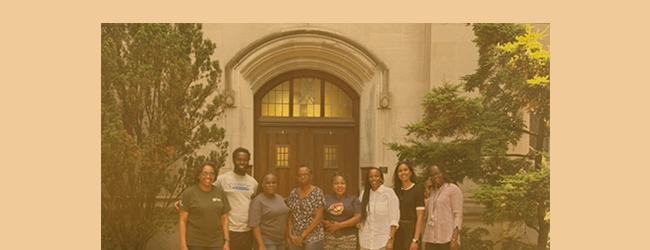
AAP welcomes sixth cohort
of African Futures scholars

AAP awarded $895,000 by
Carnegie Corporation of New York
AAP Bridge:
Connect and
collaborate online
COIL Faculty Fellows Program:
Announcing our third cohort



